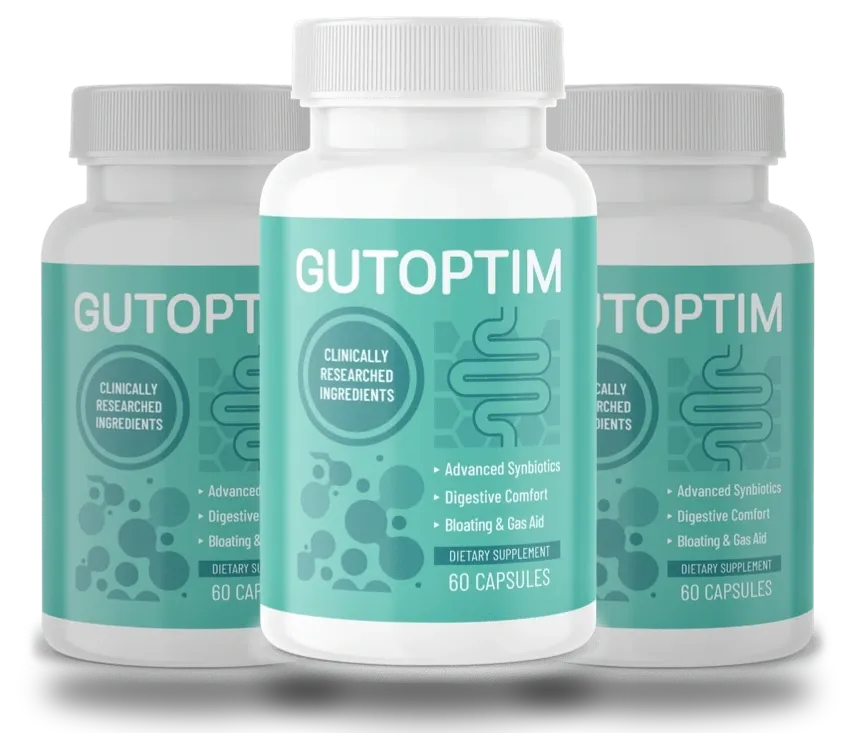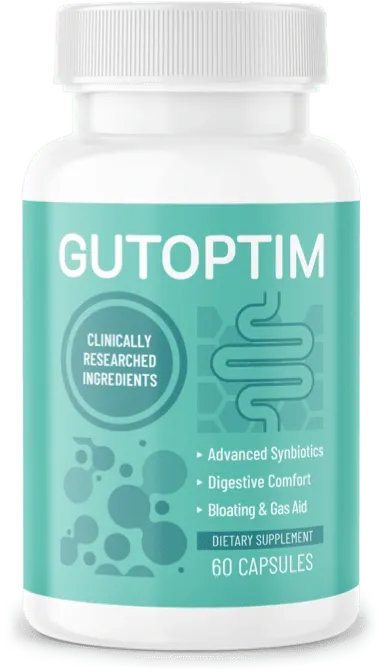

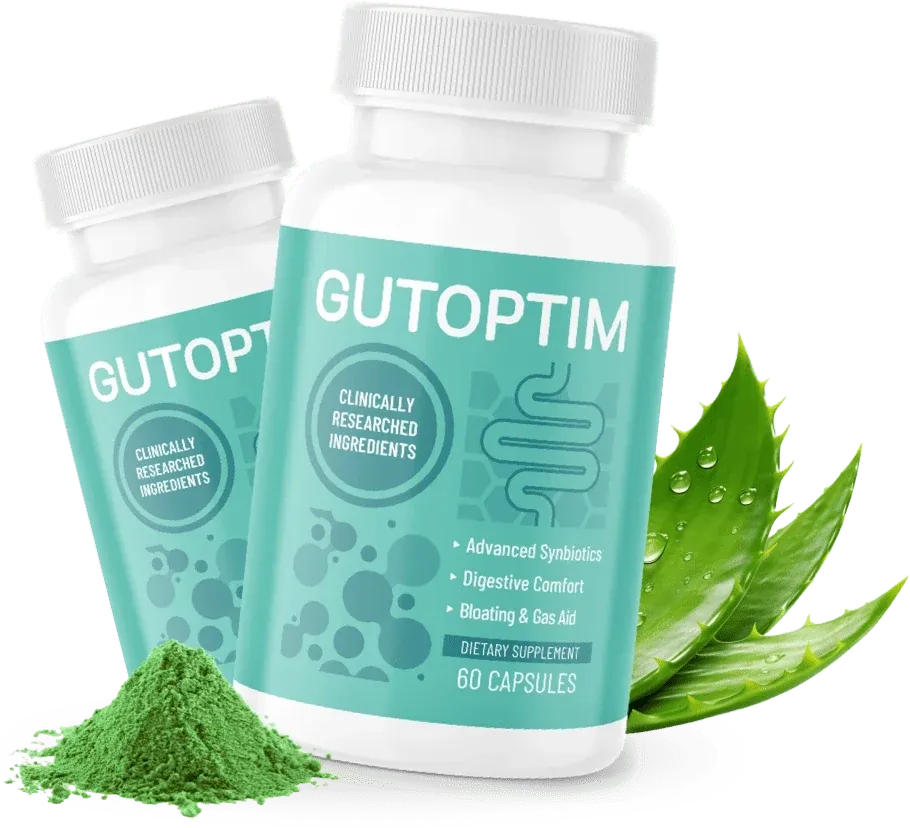
GutOptim Testing & Quality: What Each Seal Means and What to Ask For
Quick answerThe GutOptim pack and sales pages show 12 seals, from GMP to vegetarian. None comes with a certificate number or a lab report. The FDA does not approve supplements, so one image with a seal that reads “FDA approved” is not accurate. GMP rules (21 CFR Part 111) apply to every U.S. supplement maker. Ask for the CoA for lot GUT-26/MY-1730.
What quality seals appear on GutOptim?
GutOptim marketing uses twelve seals and badges. Some describe a legal rule, some are brand claims, and some are store policies.
Each one is explained below as honestly as the facts allow. Where a seal does not match the label, we say so, because the label wins.
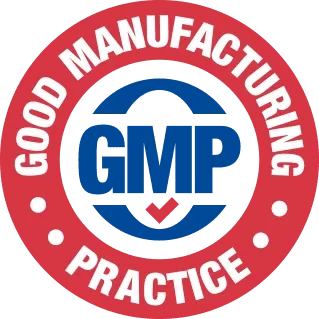
Says the maker follows the FDA's supplement manufacturing rules (21 CFR Part 111). No certificate number has been published.
Describes the factory, not the product. The FDA does not approve supplements and does not certify facility registration.
A brand claim. The label lists a U.S. distributor in Aurora, Colorado; ingredient origins are not published.
A brand claim. No outside verifier is named.
The ten blend ingredients are plants, fruit, clay and bacteria. The capsule is gelatin.
Conflicts with the label: the capsule shell is gelatin, which comes from animals. Vegetarians should not rely on this seal.
Oat bran is on the label. Oats are often cross-contaminated with wheat unless certified gluten-free, and no test has been published.
No dairy ingredient is listed, but the facility may also process milk.

The brand has not named the doctor, so we give this seal no weight.

Refers to the 60-day refund policy. It is a purchase policy, not a promise of results.

Same 60-day refund policy, handled by the order desk at +1 (302) 200-3480.

Free US shipping on every pack, per the brand's info page. Delivery times are not published.
Which seals are rules, and which are brand claims?
A seal is only as strong as the proof behind it. Sorting the twelve by type makes the picture clearer.
| Seal | Type of claim | What backs it today |
|---|---|---|
| GMP | Rule every U.S. supplement maker must follow | The rule itself; no certificate published |
| Registered FDA facility | Describes the factory | Registration is a listing, not an approval |
| Manufactured in USA | Brand claim | U.S. distributor on the label; factory not named |
| GMO free | Brand claim | No outside verifier named |
| 100% natural ingredients | Brand claim | Plants, fruit, clay and bacteria in the blend |
| Vegetarian | Brand claim | Conflicts with the gelatin capsule |
| Naturally gluten free | Brand claim | Oat bran listed; no gluten test published |
| Dairy free | Brand claim | No dairy ingredient listed; facility may process milk |
| Doctor formulated | Brand claim | No doctor named |
| 60 days money back, 100% satisfaction, free shipping | Purchase policies | The published refund and shipping terms |
Only the policy badges come with published terms you can act on. The guarantee page and the shipping page spell those out.
Can a supplement be FDA approved?
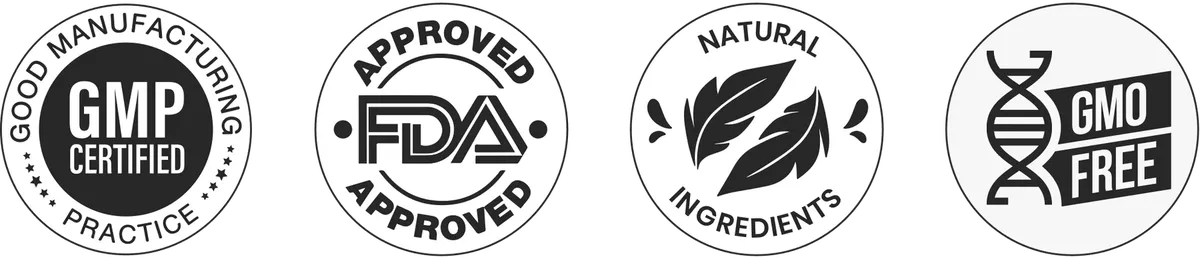
No. The FDA does not have the authority to approve dietary supplements before they reach stores (FDA, Q&A on Dietary Supplements). A supplement is never “FDA approved” in the way a prescription drug is.
The pack's own seal is worded more carefully: “Registered FDA facility.” That describes the factory, not the capsules. Registration puts a site on a list. It is not an inspection result or an endorsement.
The label handles this correctly. Each claim carries a dagger that points to the standard FDA statement.
What does GMP mean for a digestive health supplement?
GMP stands for Good Manufacturing Practice. For supplements sold in the U.S., the rules sit in 21 CFR Part 111, and every maker must follow them.
Part 111 asks makers to set specifications for identity, purity, strength and composition. They must confirm the identity of each dietary ingredient and keep a record for every batch. Contaminant limits are part of those specifications.
So a GMP seal describes a legal baseline, not an extra award. For GutOptim, no certificate number or audit body has been published. The seal tells you the maker says it follows the rules, which it must do anyway.
Why ask about lead in the bentonite clay?
Clay comes out of the ground, and soil can carry metals such as lead. That is why clay products are a common focus for heavy metal testing.
In 2016, the FDA warned consumers about one bentonite clay brand after finding elevated lead (FDA, Best Bentonite Clay, 2016). That warning covered that brand only. It says nothing about GutOptim directly.
Still, it shows why a lot-level lead result is a fair request. GutOptim lists bentonite clay second in its 1.5 g blend, and no metals result has been published. Clay can also bind some medicines and iron, so the side effects page covers timing.
What should you ask the GutOptim team for?
You can ask for proof of quality yourself. The label lists a contact email for the distributor: [email protected]. Six requests cover the main gaps.
Quote your lot
Start with the lot number on your bottle base. The lot we list is GUT-26/MY-1730, with CoA reference GUT-1730-26-MY.
Ask for the full CoA
Request the complete certificate of analysis for that lot, not a summary or a marketing sheet.
Ask who tested it
A CoA should name the lab. An outside lab carries more weight than a test run in-house.
Ask for heavy metals
Request results for lead, arsenic, cadmium and mercury. This matters most for the bentonite clay.
Ask for microbe tests
Request results for yeast, mold and harmful bacteria such as E. coli and Salmonella.
Ask about the probiotic
Request the strain name and the live count (CFU) of L. acidophilus at the best-before date.
Put the lot number in the subject line. If you are not sure where to find it, the batch verify page shows where each code is printed.
How do you read a certificate of analysis?
A CoA is a one- or two-page lab sheet. Six lines tell you most of what you need.
| CoA line | What to look for | Why it matters |
|---|---|---|
| Lot number | Matches the base of your bottle | A CoA for another lot says nothing about yours |
| Test date | Close to the date on your side code | Old tests may not reflect the current batch |
| Lab name | A named lab, ideally outside the company | Shows who stands behind the numbers |
| Specification | A limit for each test, like a lead cap | Results only mean something next to a limit |
| Result | A number for each test, not only “pass” | Lets you compare lots over time |
| Sign-off | A name and date from a quality lead | Shows someone approved the release |
What can you check on the label yourself?
Some quality signals need no lab at all. The label itself carries several useful ones.
Full ingredient list
All ten blend ingredients are named, plus the three other ingredients. Only the amounts are missing.
Choking notice
The label asks for at least a full glass of liquid. That warning is expected for swelling fibers like glucomannan.
Allergen line
Contains tree nuts (walnuts). The facility may also process milk, soy, wheat, egg, peanuts, fish and shellfish.
Storage line
Keep below 86°F in a cool, dry place. Heat and damp can harm fiber and live bacteria.
Every line of the panel is shown on the Supplement Facts page.
What quality data has not been published?
Several gaps remain. None of them proves a problem, but each one leaves you taking a claim on trust.
What is on the record
- Full ingredient list on the label
- Lot and best-before printed on every bottle
- CoA reference number listed for the current lot
- Clear choking, allergen and age warnings
What is still missing
- CoA for GUT-1730-26-MY not published
- No lead or other metals results for the clay
- No CFU count or strain for L. acidophilus
- Vegetarian seal conflicts with the gelatin capsule
- No gluten test despite oat bran on the label
- Doctor behind the doctor seal not named
GutOptim testing and quality FAQ
Is GutOptim FDA approved?
No, and no dietary supplement is. The FDA does not have authority to approve supplements before they are sold. A seal that reads FDA approved is not accurate.
Is GutOptim made in a GMP facility?
The pack shows a GMP seal. GMP rules for supplements are set out in 21 CFR Part 111. No GMP certificate or auditor name has been published.
Has GutOptim been tested for lead?
No heavy metal results have been published. Because the blend includes bentonite clay, it is fair to ask the label contact for lead results for your lot.
Is GutOptim vegetarian?
No. The capsule shell is gelatin, which comes from animals. The vegetarian seal on the marketing conflicts with the label.
Is GutOptim gluten free?
The pack says naturally gluten free, but oat bran is on the label and no gluten test has been published. People with celiac disease should ask for test results first.
Who is the doctor behind the doctor formulated seal?
The brand has not named one. Without a name, we give that seal no weight.
How do I get the certificate of analysis?
Email [email protected], the address on the label, and quote the lot number from the base of your bottle and CoA reference GUT-1730-26-MY.
Order GutOptim with a clear paper trail
Every order comes with an order ID, a printed lot number and a 60-day money-back guarantee. Free US shipping on every pack. Questions? Call +1 (302) 200-3480.