
 In 1.5 g blend
Psyllium Husk
Plantago (husk)
A gel-forming soluble fiber. It is the best-studied fiber for regularity and for IBS symptoms.
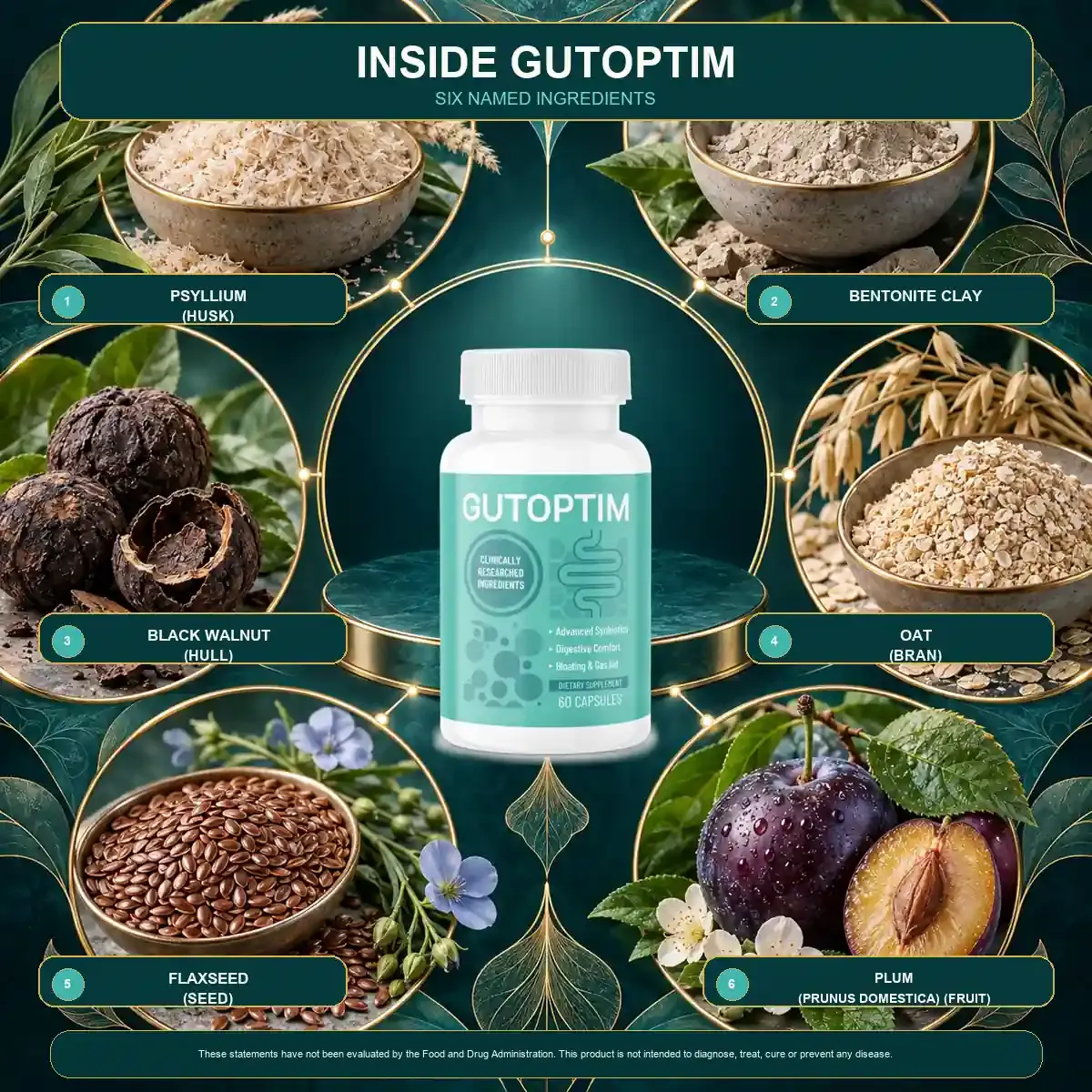
Quick answerGutOptim contains ten ingredients in a 1.5 g blend per 2-capsule serving.
They are psyllium husk, bentonite clay, black walnut hull, oat bran, flaxseed, plum, aloe vera leaf, Lactobacillus acidophilus, apple pectin and glucomannan. The shell is gelatin, and it contains tree nuts (walnuts).
Read every line on the supplement facts page.
GutOptim has ten ingredients in a single 1.5 g blend. Every serving of two capsules carries all ten. The label lists the blend total but not the weight of each part.
Five of the ten are fibers or fiber-rich foods. The rest are a clay, two plant parts, a dried fruit and one probiotic. The full panel is on the Supplement Facts page.
In 1.5 g blendPlantago (husk)
A gel-forming soluble fiber. It is the best-studied fiber for regularity and for IBS symptoms.
 In 1.5 g blend
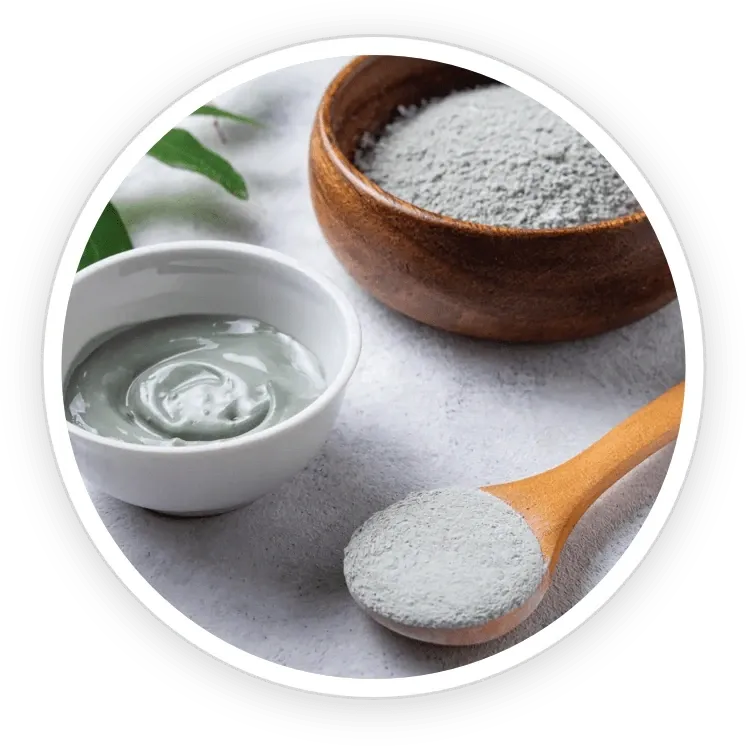
Montmorillonite clay
A natural clay that swells in water. Clay can bind some things in the gut, including some medicines and iron.
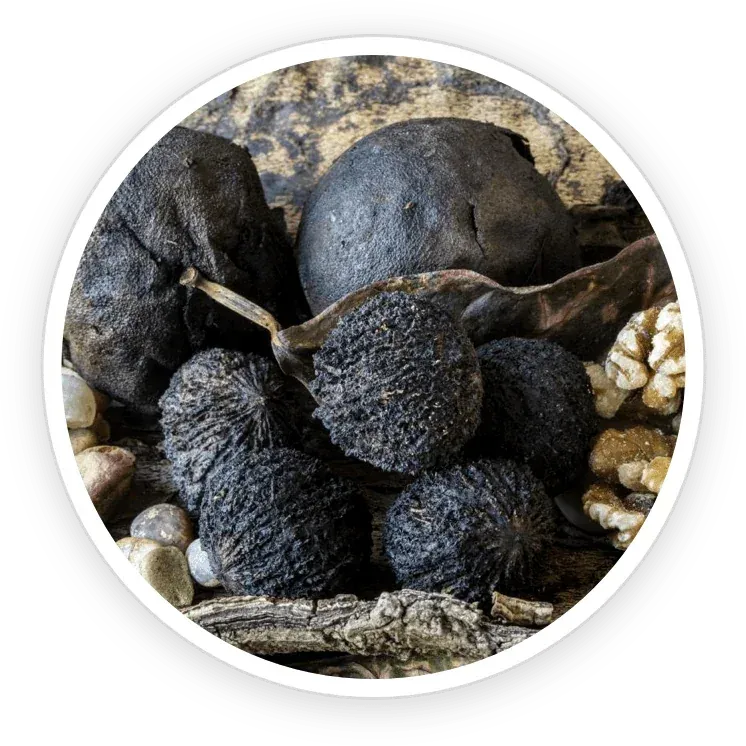 In 1.5 g blend
Juglans nigra (hull)
The outer hull of the black walnut. It has a long folk history, but there is little human research. It is a tree nut allergen.
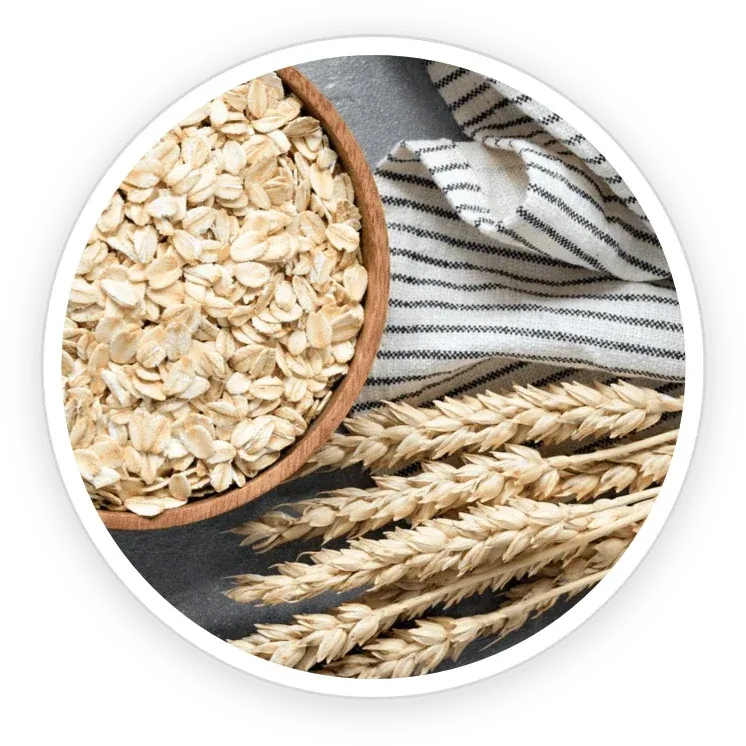 In 1.5 g blend
Avena sativa (bran)
The outer layer of the oat grain, rich in beta-glucan, a soluble fiber.
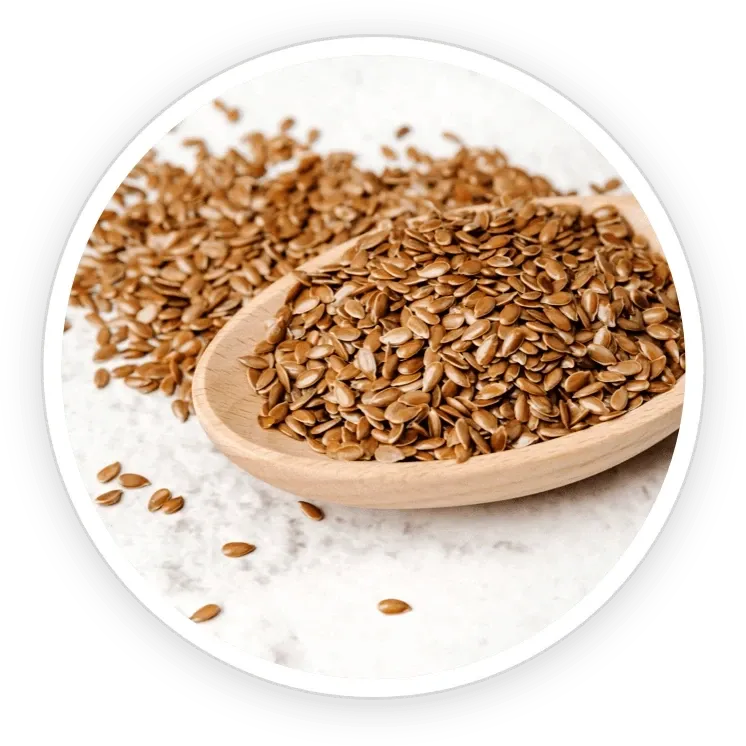 In 1.5 g blend
Linum usitatissimum (seed)
Seeds with soluble fiber and mucilage. A trial of about 10 g a day improved constipation.
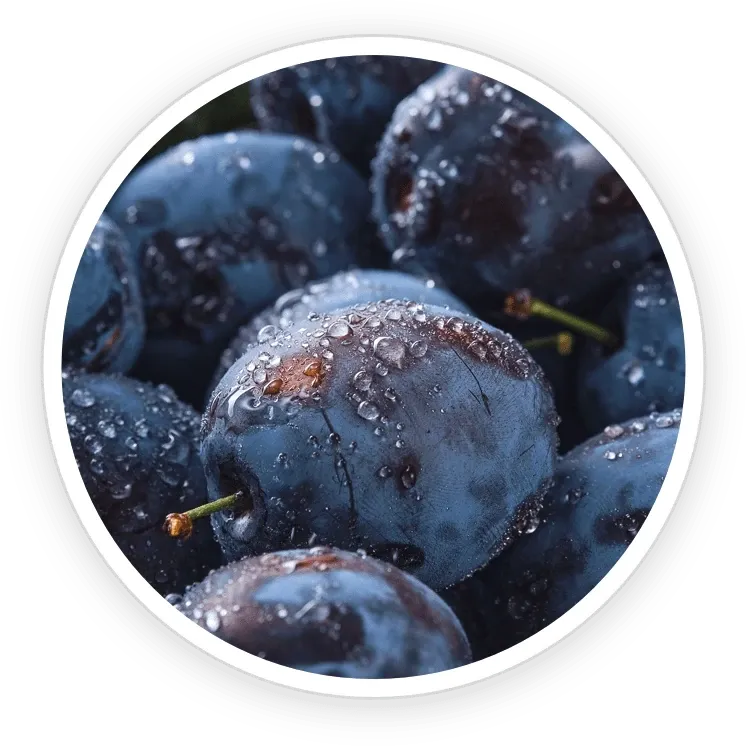 In 1.5 g blend
Prunus domestica (fruit)
Dried plums (prunes) are a classic food for regularity, thanks to fiber and sorbitol.
 In 1.5 g blend
Aloe barbadensis (leaf)
Leaf material from the aloe plant. The label does not say if it is the decolorized (low-aloin) type.
 In 1.5 g blend, CFU not published
Probiotic bacterium
A common probiotic species. Benefits depend on the exact strain and count, and neither is published.
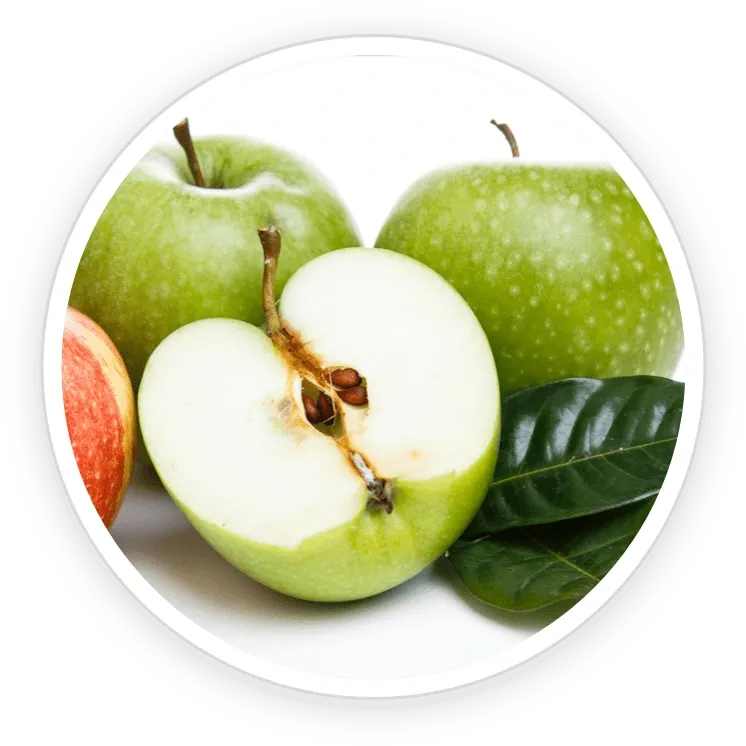 In 1.5 g blend
Malus domestica (fruit)
A soluble fiber from apples that forms a gel in water.
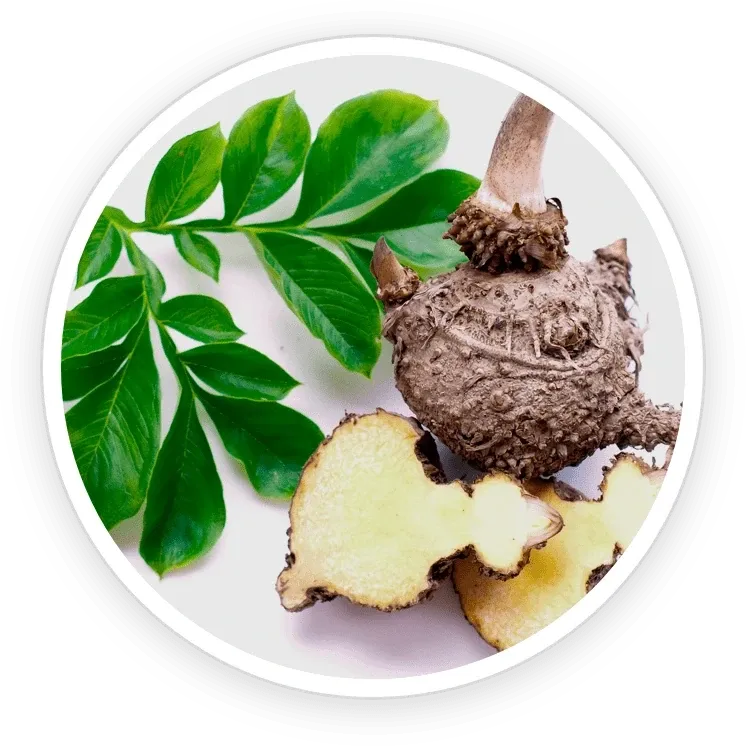 In 1.5 g blend
Amorphophallus konjac (root)
A very absorbent fiber from konjac root. It swells a lot, which is why the label carries a choking warning.
The front graphic names psyllium, bentonite clay, black walnut, oat bran, flaxseed and plum. The Supplement Facts panel lists ten ingredients in the blend.
When the two disagree, the label wins. So every ingredient on this page comes from the printed panel, in label order.
Three ingredients form a gel when they meet water: psyllium husk, glucomannan and apple pectin. This gel is the core of a bulk-forming fiber. It holds water and gives stool a softer, fuller shape.
Psyllium is listed first on the label. It comes from the seed coat of the Plantago plant. It is often described as a gel-forming fiber that gut bacteria barely ferment (McRorie et al., 2021). Across 12 trials, the fiber benefit seen for IBS symptoms came from psyllium (Ford et al., 2008).
Glucomannan comes from the root of the konjac plant. It can soak up many times its weight in water. That is why swelling fibers like it carry a choking warning, and why GutOptim asks for a full glass of liquid (21 CFR 201.319).
Pectin is the fiber that helps jam set. In the gut it forms a soft gel, and it is also a food for gut bacteria.
These three are whole-food sources of fiber. They bring a mix of soluble and insoluble fiber, plus other plant compounds.
Oat bran is the outer layer of the oat grain. It is rich in beta-glucan, a soluble fiber that thickens in water.
Flaxseed holds a sticky mucilage in its outer coat. In a 12-week trial, about 10 g a day of flaxseed baked into cookies improved constipation in 53 adults with type 2 diabetes (Soltanian & Janghorbani, 2018).
The label lists plum (Prunus domestica) fruit. Dried plums are prunes, a classic food for regularity. In one trial, 100 g of prunes a day worked at least as well as psyllium over three weeks (Attaluri et al., 2011). Our post on psyllium vs. other fibers compares these sources.
Bentonite is a natural clay made mostly of montmorillonite. It swells when wet and can hold other substances on its surface. That binding is the reason it shows up in gut products.
A related pharmaceutical clay, smectite, shortened acute diarrhea in children by about a day (Szajewska et al., 2006). That study was in children with infections. It does not show that clay helps bloating in adults.
Space it from medicines
Clay can bind some medicines and iron in the gut. Take medicines and iron at a different time from GutOptim, and ask a pharmacist about spacing. More on this in bentonite clay and aloe: what to know.
These are the two botanicals in the blend. Neither has strong human research behind it for gut comfort.
The hull is the green-to-black outer shell of the black walnut. Reviews find no good scientific evidence for its uses, and a safe dose is unknown (WebMD, Black Walnut). It is also a tree nut, so it matters for anyone with a nut allergy.
Aloe leaf contains a clear inner gel and a yellow outer latex. The latex holds aloin, the part with a laxative effect. The label lists aloe vera leaf but does not say which part or which type was used (NCCIH, Aloe Vera).
The probiotic is Lactobacillus acidophilus. It is one of the most common probiotic species in foods and supplements.
A probiotic is defined as live microbes given in an adequate amount (Hill et al., 2014). Effects are tied to the exact strain, so one strain's results do not transfer to another (NIH ODS, Probiotics). Pairing a probiotic with prebiotic fiber is what the word synbiotic means. The mechanism is laid out on how GutOptim works.
| Ingredient | Part used | Role | Studied dose | Amount in GutOptim |
|---|---|---|---|---|
| Psyllium husk | Seed husk of Plantago | Gel-forming soluble fiber | About 10 g a day | Share of 1.5 g blend, not published |
| Bentonite clay | Montmorillonite clay | Swelling clay | No set dose for bloating | Share of 1.5 g blend, not published |
| Black walnut hull | Outer hull of Juglans nigra | Traditional botanical | Safe dose unknown | Share of 1.5 g blend, not published |
| Oat bran | Outer layer of the oat grain | Beta-glucan fiber | Claims apply to high-fiber foods | Share of 1.5 g blend, not published |
| Flaxseed | Seed of Linum usitatissimum | Fiber and mucilage | About 10 g a day | Share of 1.5 g blend, not published |
| Plum | Fruit of Prunus domestica | Fruit fiber and sorbitol | 80-120 g of prunes a day | Share of 1.5 g blend, not published |
| Aloe vera leaf | Leaf of Aloe barbadensis | Traditional botanical | No set dose | Share of 1.5 g blend, not published |
| Lactobacillus acidophilus | Cultured bacteria | Probiotic | About 1 billion CFU or more, strain-specific | CFU and strain not published |
| Apple pectin | Fruit of Malus domestica | Gel-forming soluble fiber | 6 g a day | Share of 1.5 g blend, not published |
| Glucomannan | Root of konjac | Highly absorbent fiber | 3-4 g a day | Share of 1.5 g blend, not published |
Three other ingredients make up the capsule: gelatin, magnesium stearate and silicon dioxide. None is an active. They form the shell and help the powder flow during filling.
The capsule shell. Gelatin is made from animal collagen, so the capsule is not vegetarian or vegan.
A flow agent. A small amount stops the powder from sticking inside the filling machine.
An anti-caking agent. It keeps the fiber powder loose and dry in the bottle.
Black walnut hull is a tree nut. The label says the product contains walnuts.
The label says the product contains tree nuts (walnuts). It also says the facility may process milk, soy, wheat, egg, peanuts, tree nuts, fish and crustacean shellfish. Anyone with a serious allergy should weigh that line. See who GutOptim is for for a quick fit check.
The whole blend weighs 1.5 g, and ten ingredients share it. Studies of the main fibers used 3 to 10 g a day of a single fiber. So each fiber in GutOptim is well below the amount that was tested.
Some details are also missing. The CFU count and strain of the probiotic are not published. The aloe type is not stated. Black walnut has little human research. A lower dose does not prove the product fails, but it is not the dose that was studied.
| Ingredient | GutOptim (per serving) | Doses used in studies | Gap | Source |
|---|---|---|---|---|
| Psyllium husk | Part of 1.5 g blend | About 10 g a day | At most 15% of it | (McRorie et al., 2021) |
| Glucomannan | Part of 1.5 g blend | 3-4 g a day | At most 38-50% | (EU Regulation 432/2012) |
| Flaxseed | Part of 1.5 g blend | About 10 g a day | At most 15% | (Soltanian & Janghorbani, 2018) |
| Plum (prune) | Part of 1.5 g blend | 80-120 g of prunes a day | Under 2% | (Lever et al., 2019) |
| Apple pectin | Part of 1.5 g blend | 6 g a day (cholesterol claim) | At most 25% | (EU Regulation 432/2012) |
| L. acidophilus | CFU not published | About 1 billion CFU or more, strain-specific | Cannot compare | (Hill et al., 2014) |
| Bentonite, black walnut, aloe, oat bran | Part of 1.5 g blend | No established effective dose | Cannot compare |
The capsule shell is gelatin, which conflicts with a vegetarian seal seen in some marketing. Oat bran also sits next to a “naturally gluten free” seal, with no test published. Fermentable fibers and prunes can add gas in the first weeks (ACG IBS guideline, 2021).
Ten, all inside one 1.5 g proprietary blend per 2-capsule serving. The capsule itself adds gelatin, magnesium stearate and silicon dioxide.
The front graphic names psyllium, bentonite clay, black walnut, oat bran, flaxseed and plum. The Supplement Facts panel lists four more: aloe vera leaf, L. acidophilus, apple pectin and glucomannan. The label is the full list.
The exact amount is not published. Psyllium is listed first, so it is likely the largest part of the 1.5 g blend, but the label does not give a number.
No. The shell is gelatin, made from animal collagen. A vegetarian seal appears in some marketing, but the label wins.
Yes. Black walnut hull is in the blend, and the label states it contains tree nuts (walnuts). The facility may also handle peanuts and other allergens.
Lactobacillus acidophilus. The label does not name the strain or give a CFU count.
No caffeine, sweetener, flavor or color is listed. The blend is fibers, fruit, clay, two botanicals and one probiotic.
Two capsules a day with a meal and a full glass of water. From $49 a bottle with free US shipping and a 60-day money-back guarantee. Questions first? Call +1 (302) 200-3480.