
Bentonite Clay and Aloe Leaf: What GutOptim Buyers Should Know
Quick answerBentonite clay can bind some medicines and iron, so take them at a different time than GutOptim and ask a pharmacist how far apart. FDA found lead in one clay brand in 2016. Oral aloe leaf has little evidence for gut symptoms, has been linked to hepatitis cases, and was removed from OTC laxatives in 2002. GutOptim does not say which aloe type it uses.
What is bentonite clay?
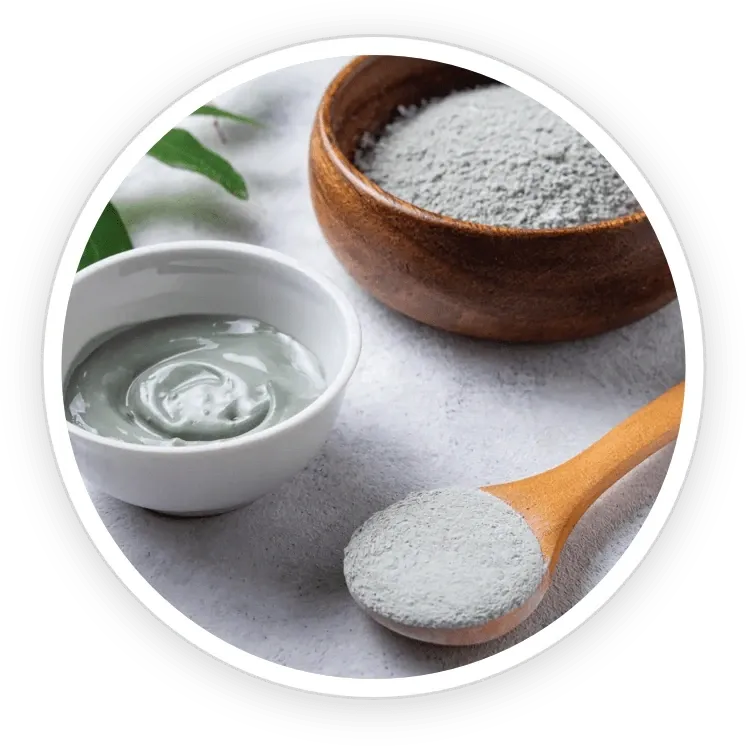
Bentonite is a natural clay formed from volcanic ash. Its main mineral is montmorillonite, a type of smectite. It swells a great deal when it meets water.
Clay particles carry a charge. That lets them attract and hold other substances. This binding is why clay is sold for the gut, and it is also why it needs care.
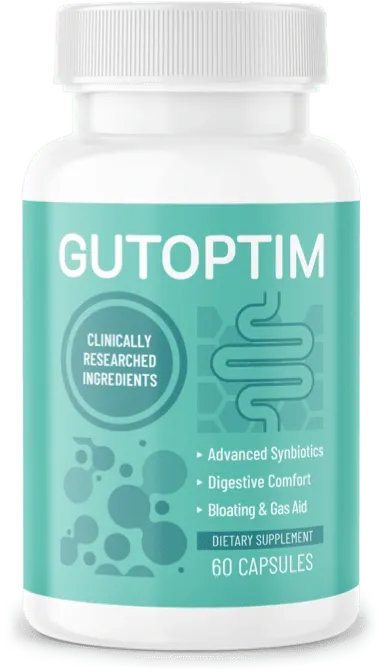
Bentonite clay is the second ingredient on the GutOptim label. The ingredients page lists all ten.
What does research say about clay for the gut?
The strongest clay evidence comes from a medicine, not a supplement. It covers children with diarrhea, not adults with bloating.
The smectite review
A review of trials found that a pharmaceutical smectite clay shortened acute infectious diarrhea in children by about a day (Szajewska et al., 2006). That is a real effect in a specific group.
What it does not show
The same review is not evidence for bloating or regularity in adults. It used a pharmaceutical product at its own dose. No study has tested the clay in GutOptim or the amount in its blend.
Why should you space clay from medicines and iron?
Clay can bind some medicines and iron in the gut. When that happens, your body may absorb less of them. This is the most practical issue for most buyers.
The fix is timing. Take your medicines and iron at a different time of day than GutOptim. Your pharmacist can tell you how far apart for each one.
List what you take
Write down every medicine, vitamin and mineral, including iron and thyroid pills.
Ask a pharmacist
Show the list and the GutOptim label. Ask how many hours apart each item should be.
Set a schedule
Pick fixed times, such as medicines in the morning and GutOptim with dinner.
Keep it steady
Stick with the same times each day so the gap never slips.
If you take medicine
The label says to consult a physician before use if you take any medication or have a medical condition. That applies to clay more than to any other ingredient in the blend.
Should you worry about lead in clay?
Clay comes from the ground, so it can carry metals such as lead. In 2016, FDA warned consumers not to use one product, Best Bentonite Clay, after finding elevated lead in it (FDA, Best Bentonite Clay, 2016). The warning covered that brand only.
The lesson is general. Any clay product should be tested for heavy metals, lot by lot. A certificate of analysis (CoA) is how a brand shows that.
See our testing and quality page for what GutOptim has published so far, and the batch verify page to match your lot number.
Questions answered? Order GutOptim
Two capsules a day with a meal and a full glass of water, spaced from your medicines. From $49 a bottle, free US shipping, and a 60-day money-back guarantee. Ask first at +1 (302) 200-3480.
What is aloe vera leaf?

An aloe leaf has three parts. The green skin, a thin yellow latex just under it, and the clear inner gel. Each part acts differently in the body.
The latex holds aloin, a strong laxative compound. The gel holds very little. "Whole leaf" aloe contains all three, unless it is decolorized, a filtering step that removes most of the aloin.
So the words "aloe vera leaf" alone do not tell you much. Whether the aloin was removed is the key detail.
What do research and FDA say about oral aloe?
Oral aloe has limited evidence and some real safety flags. Three sources set the picture.
NIH on usefulness and safety
The NIH center for complementary health says there is not enough reliable evidence that oral aloe helps IBS. It also notes that oral aloe leaf extracts have been linked to cases of hepatitis (NCCIH, Aloe Vera).
FDA and aloe laxatives
In 2002, FDA ruled that aloe stimulant laxatives were not generally recognized as safe and effective for over-the-counter use (FDA final rule, 2002). Since then, aloe has not been an approved OTC laxative ingredient.
The rat study
In a 2-year study, rats given nondecolorized whole-leaf aloe extract in their drinking water developed large-intestine tumors (NTP TR-577, 2013). That was a nondecolorized extract at rat-study doses, not a human trial. It is why the aloe type matters.
How do clay and aloe compare?
Clay and aloe raise different questions. The table sets them side by side so you can see which one applies to you.
| Question | Bentonite clay | Aloe vera leaf |
|---|---|---|
| What it is | Volcanic clay (montmorillonite) | Leaf of the aloe plant |
| How it acts | Swells and binds substances | Latex (aloin) acts as a laxative; gel does little |
| Main research | Shortened child diarrhea by about a day (Szajewska et al., 2006) | Not enough evidence for IBS (NCCIH, Aloe Vera) |
| Main caution | May bind medicines and iron | Oral extracts linked to hepatitis cases |
| Regulatory note | FDA lead warning for one brand (FDA, Best Bentonite Clay, 2016) | Removed from OTC laxatives in 2002 (FDA final rule, 2002) |
| What the label says | Bentonite clay, amount in 1.5 g blend | Aloe vera (leaf), type not stated |
| What to ask | How far apart from my medicines? | Is it decolorized (low-aloin)? |
What does the GutOptim label not say about clay and aloe?
Two details matter for these ingredients, and the label gives neither. The first is a heavy-metal test for the clay. The second is the aloe type.
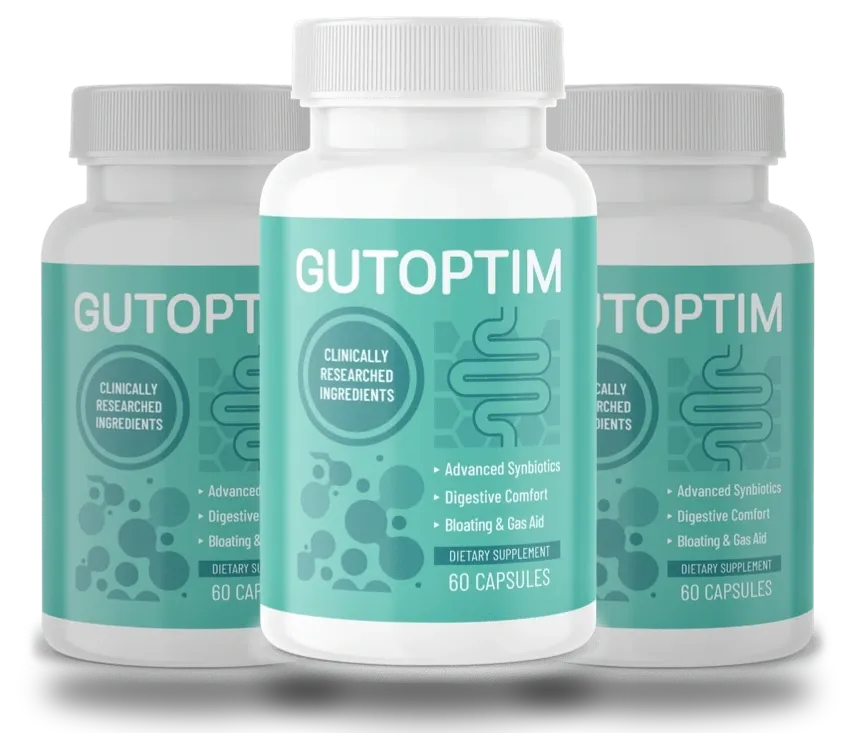
The pack shows lot GUT-26/MY-1730 and a certificate reference, GUT-1730-26-MY. No lab report has been published for buyers yet. The label also says "Aloe Vera (Leaf)" without saying if it is decolorized.
There is some context. Both sit inside a 1.5 g blend shared by ten ingredients, so each amount is small. But small is not the same as known. If either point matters to you, call the order desk at +1 (302) 200-3480 and ask before you buy.
What is clear
- Both ingredients are named on the label
- Clay and medicine caution is printed
- Each sits in a small 1.5 g blend
- 60-day refund window if it does not suit you
What is still missing
- No clay heavy-metal test published
- Aloe type (decolorized or not) not stated
- Amounts of each ingredient not published
- No study of this blend
What should you check before taking GutOptim?
Use this list before your first capsule. It takes a few minutes and covers the main points for clay and aloe.
Check the label limits
Not for anyone under 18 or pregnant or nursing mothers.
Space your medicines
Take medicines and iron at a different time. Ask a pharmacist how far apart.
Know the liver signs
Stop and call a doctor for yellow skin or eyes, dark urine or pain under the right ribs.
Check for tree nut allergy
The blend also holds black walnut hull, a tree nut.
Drink a full glass
Take the capsules with at least a full glass of liquid.
Ask before you buy
Questions on aloe type or testing: call +1 (302) 200-3480.
For the full safety picture, see the side effects page. Curious about the fibers that make up the rest of the blend? Read psyllium vs. other fibers. If you feel bloated in the first weeks, why fiber can cause bloating at first explains what is normal.
Bentonite clay and aloe FAQ
Why is bentonite clay in a digestive supplement?
Clay swells in water and can bind some things in the gut. A pharmaceutical clay shortened acute diarrhea in children by about a day, but that is not evidence for bloating in adults.
Can bentonite clay affect my medicines?
It can. Clay may bind some medicines and iron, which can lower how much your body absorbs. Take them at a different time and ask your pharmacist for the right gap.
Is there lead in bentonite clay?
Some clay can contain lead. In 2016 FDA warned about high lead in one brand, Best Bentonite Clay. The warning covered that brand only.
Is the aloe in GutOptim the gel or the whole leaf?
The label says aloe vera leaf but does not say if it is decolorized (low-aloin). Ask the order desk before you buy if this matters to you.
Is oral aloe safe?
Aloe gel on the skin is widely used. Oral aloe leaf extracts have been linked to cases of hepatitis, and there is not enough reliable evidence that oral aloe helps IBS.
Why did FDA remove aloe from laxatives?
In 2002 FDA ruled that aloe stimulant laxatives were not generally recognized as safe and effective for over-the-counter use.
Who should skip GutOptim?
The label says not for anyone under 18 or pregnant or nursing mothers. Anyone who takes medicine or has a medical condition should ask a physician first.