

Psyllium vs. Other Fibers: How the Fibers in GutOptim Compare
Quick answerPsyllium is a gel-forming fiber that gut bacteria barely ferment, so it tends to cause less gas. It also has the most trial data, at about 10 g a day. Glucomannan, apple pectin, oat bran, flaxseed and plum work in other ways, and several are fermented. GutOptim puts all six in a 1.5 g blend shared with four other ingredients.
What makes psyllium different from other fibers?
Psyllium stands out because it forms a gel and gut bacteria barely ferment it. That gel holds water all the way through the gut. It softens hard stool and firms up loose stool.
Most other soluble fibers get broken down by bacteria in the colon. That feeds the bacteria, but it also makes gas. Psyllium mostly skips that step (McRorie et al., 2021).
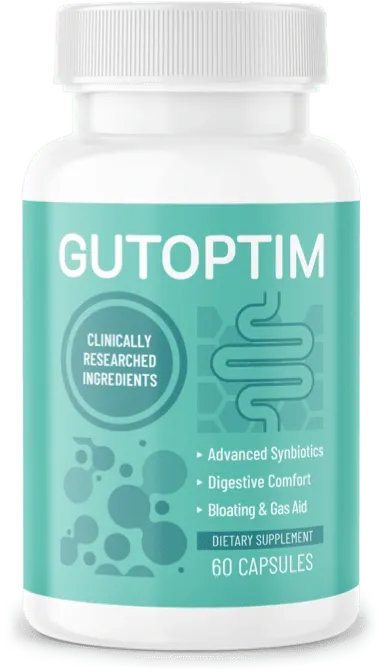
Psyllium husk is the first ingredient on the GutOptim label. The ingredients page covers the other nine.
How do the six fibers in GutOptim compare?
Six of the ten GutOptim ingredients are fibers or fiber-rich foods. They differ in how they hold water, how much gas they make and how much research backs them. Here they are in one view.
| Fiber | Source | How it works | Gas potential | Daily amount studied |
|---|---|---|---|---|
| Psyllium husk | Plantago seed coat | Gel-forming, mostly not fermented | Lower | About 10 g (McRorie et al., 2021) |
| Glucomannan | Konjac root | Very absorbent gel, fermented | Moderate | 3-4 g (EU Regulation 432/2012) |
| Flaxseed | Flax seeds | Mucilage gel plus insoluble fiber | Moderate | About 10 g (Soltanian & Janghorbani, 2018) |
| Oat bran | Oat grain outer layer | Beta-glucan gel, fermented | Moderate | Food-level amounts |
| Apple pectin | Apples | Gel-forming, fermented | Moderate | 6 g (EU Regulation 432/2012) |
| Plum (prune) | Dried plums | Fiber plus natural sorbitol | Higher | 80-120 g of prunes (Lever et al., 2019) |
What does research say about psyllium?
Psyllium has the deepest research base of any fiber supplement. Two large reviews point the same way.
Reviews of fiber for IBS
A review of 12 trials found fiber helped IBS symptoms, and the benefit was limited to psyllium (Ford et al., 2008). A later review of 14 trials with 906 patients found that psyllium helped about 1 in 7 people, while bran did not (Moayyedi et al., 2014).
The dose that was studied
The therapeutic dose is about 10 g a day, split into doses (McRorie et al., 2021). Many people start near 3.4 g and build up. One note for fairness: the lead author of that review worked for a psyllium brand maker.
Why it needs water
Because psyllium swells, U.S. rules require a choking warning and a full 8 oz. glass of fluid on over-the-counter products (21 CFR 201.319). The GutOptim label has a similar notice.
Six fibers in one daily habit
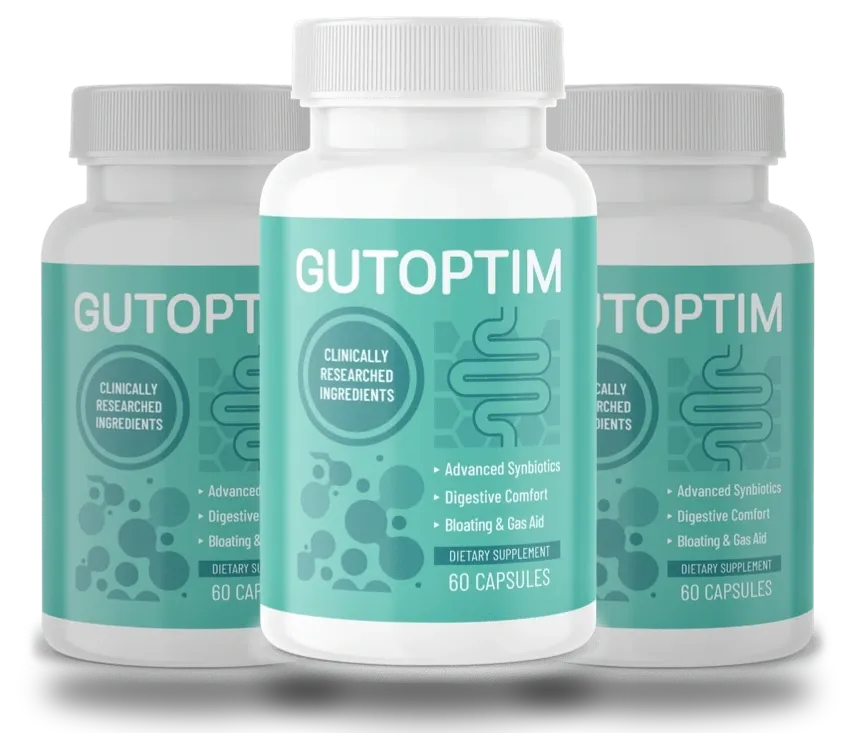
GutOptim pairs psyllium with glucomannan, flaxseed, oat bran, apple pectin and plum. Two capsules a day with a meal, from $49 a bottle with free US shipping and a 60-day money-back guarantee.
What is glucomannan, and how is it different?
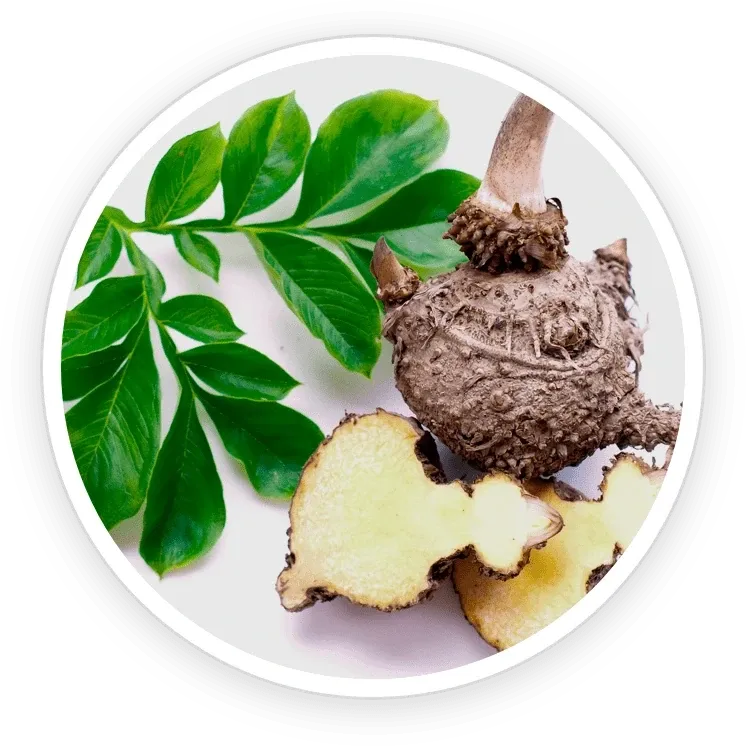
Glucomannan is the thirstiest fiber on the list. It comes from konjac root and swells a great deal in water. That is why it is sold as a fullness aid in some countries.
European rules set the claim threshold at 3 to 4 g a day (EU Regulation 432/2012). Health Canada advises taking it with at least 8 oz. of fluid, not right before bed, and never with swallowing problems (Health Canada, 2010).
Unlike psyllium, gut bacteria ferment glucomannan. Some people notice more gas when they start. Our post on why fiber can cause bloating at first explains why.
How do flaxseed and oat bran compare?
Flaxseed and oat bran are food fibers with long kitchen histories. Both carry a soluble gel fiber plus some insoluble fiber.
Flaxseed
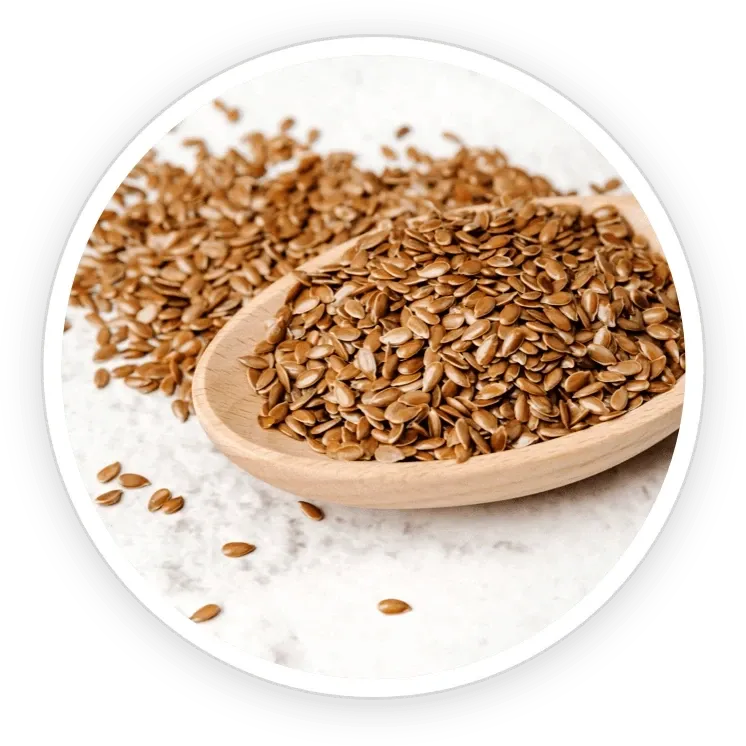
Flax seeds hold a slippery gel called mucilage. In a 12-week trial, about 10 g a day of flaxseed baked into cookies improved constipation in 53 adults with type 2 diabetes (Soltanian & Janghorbani, 2018). Ground flax adds easily to oatmeal or yogurt.
Oat bran
Oat bran is the outer layer of the oat grain. It is rich in beta-glucan, a soluble fiber that thickens in water. EU rules allow oat fiber claims only for high-fiber foods, not tiny amounts (EU Regulation 432/2012).
One label note: oats are often cross-contaminated with wheat unless certified gluten-free. If you avoid gluten strictly, check the Supplement Facts page first.
What do apple pectin and plum add?
Apple pectin and plum both come from fruit. Pectin is a pure gel fiber. Plum brings fiber plus sorbitol, a natural sugar alcohol that draws water into the gut.
Apple pectin
Pectin is the fiber that sets jam. It forms a gel and is fermented by gut bacteria. The EU cholesterol claim for pectin needs 6 g a day (EU Regulation 432/2012).
Plum (prunes)
Prunes are a classic food for regularity. In one trial, 100 g of prunes a day worked at least as well as psyllium for constipation in 40 adults over 3 weeks (Attaluri et al., 2011). Another trial used 80 to 120 g a day and saw higher stool weight and frequency, plus more flatulence (Lever et al., 2019).
Which fiber fits which goal?
Match the fiber to the goal. Gentle, low-gas regularity points to psyllium. A feeling of fullness points to glucomannan. Variety for gut bacteria points to fermented fibers like pectin and oat bran.
A major U.S. guideline suggests soluble, not insoluble, fiber for people with IBS. It also warns that fermented fibers can add gas and bloating (ACG IBS guideline, 2021). That is the main trade-off in one sentence.
Where psyllium stands out
- Most research for regularity
- Mostly not fermented, so less gas
- Works on both hard and loose stool
- Easy to find as a powder or capsule
Where the other fibers add something
- Feed gut bacteria (glucomannan, pectin, oat bran)
- Add food variety (flax, plum)
- Glucomannan adds fullness
- Can add gas while your gut adjusts
How much of each fiber is in GutOptim?
The label does not give single amounts. All six fibers share a 1.5 g proprietary blend with bentonite clay, black walnut hull, aloe leaf and a probiotic. So each fiber is a fraction of 1.5 g.
Compare that with the study doses above. Even if the whole blend were psyllium, it would be 15% of the 10 g studied dose. The real share is smaller. The same math holds for flaxseed, and prunes sit under 2% of the studied amount.
So GutOptim's fibers are a small daily top-up, not a studied fiber dose. Food still does the heavy lifting. Our digestive health guide lists fiber-rich foods by the gram. For the clay and aloe in the blend, read bentonite clay and aloe: what to know.
How can you add fiber with GutOptim?
A slow, steady routine gives your gut time to adjust. These steps pair the capsules with food fiber.
Take it with a meal
Two capsules daily with a meal, as the label directs.
Drink a full glass
At least a full glass of liquid with the capsules, every time. Skip them if swallowing is hard for you.
Add one food fiber a week
Oatmeal one week, a pear or beans the next. Small steps cut the chance of gas.
Watch how you feel
Mild gas early on is common with fermented fibers. The side effects page covers what to expect.
For timing tips and what to do with medicines, see how to use GutOptim.
Psyllium vs. other fibers FAQ
Is psyllium better than other fibers?
It depends on the goal. Psyllium has the most research for regularity and IBS symptoms, and it is mostly not fermented, so it tends to cause less gas.
What is the difference between psyllium and glucomannan?
Both form a gel. Glucomannan from konjac root soaks up more water and swells more, which is why choking warnings matter. Gut bacteria ferment glucomannan more than psyllium.
How much psyllium is in GutOptim?
The label does not say. Psyllium is the first of ten ingredients in a 1.5 g blend, and the single amounts are not published.
What dose of psyllium was used in studies?
About 10 g a day, split into doses. Many people start near 3.4 g and build up.
Does oat bran count as soluble fiber?
Yes. Oat bran is rich in beta-glucan, a soluble fiber. It also carries some insoluble fiber from the bran layer.
Why are prunes in a fiber supplement?
Prunes are dried plums with fiber and natural sorbitol. In trials, 80 to 120 g a day raised stool weight and frequency.
Which fiber in GutOptim is most likely to cause gas?
Plum and the fermented fibers, such as glucomannan, apple pectin and oat bran. Psyllium is mostly not fermented, so it tends to add less gas.
Can I take GutOptim with a psyllium powder?
Ask your doctor or pharmacist first, since both add swelling fiber. If you do, take each with a full glass of liquid and add the powder slowly.